Prevent. Protect. Prosper.
Protecting your home, family, and property starts here. Nurturing your land and reducing risks is rooted in the intentional care that is the foundation of our philosophy here at Samsara.
What is Plant Health Care?
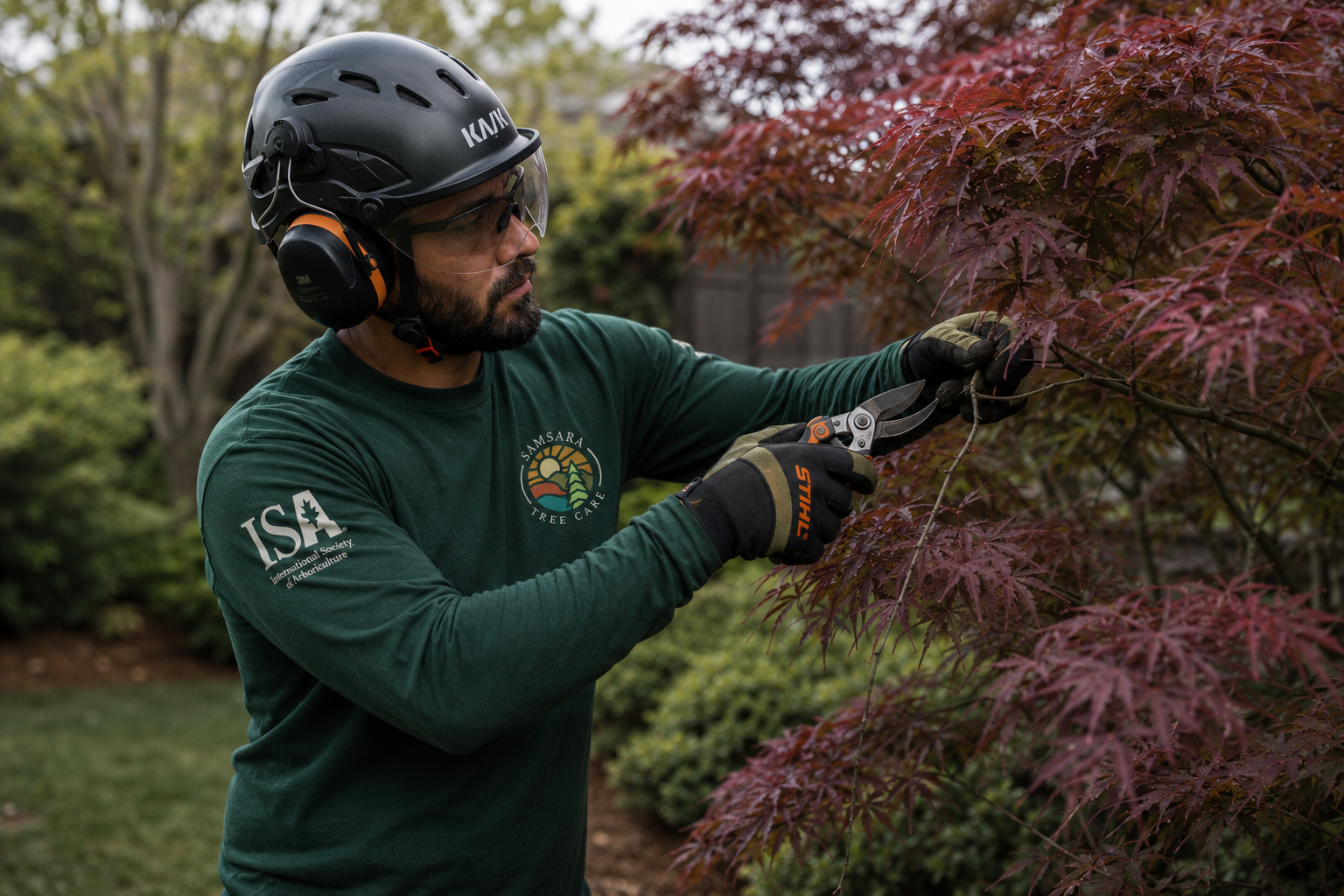
Plant Health Care is a proactive approach to maintaining the health, appearance, and longevity of trees and shrubs. Rather than waiting for problems to become severe, Plant Health Care focuses on regularly monitoring plants, identifying signs of stress, pests, disease, or nutrient deficiencies, and addressing the underlying causes before they lead to decline. This may include soil and tissue testing, fertilization, pest and disease management, improving soil conditions, and other targeted treatments based on the specific needs of each plant and property. The goal is to create healthier, more resilient landscapes while preserving valuable trees and supporting a strong and sustainable urban canopy.
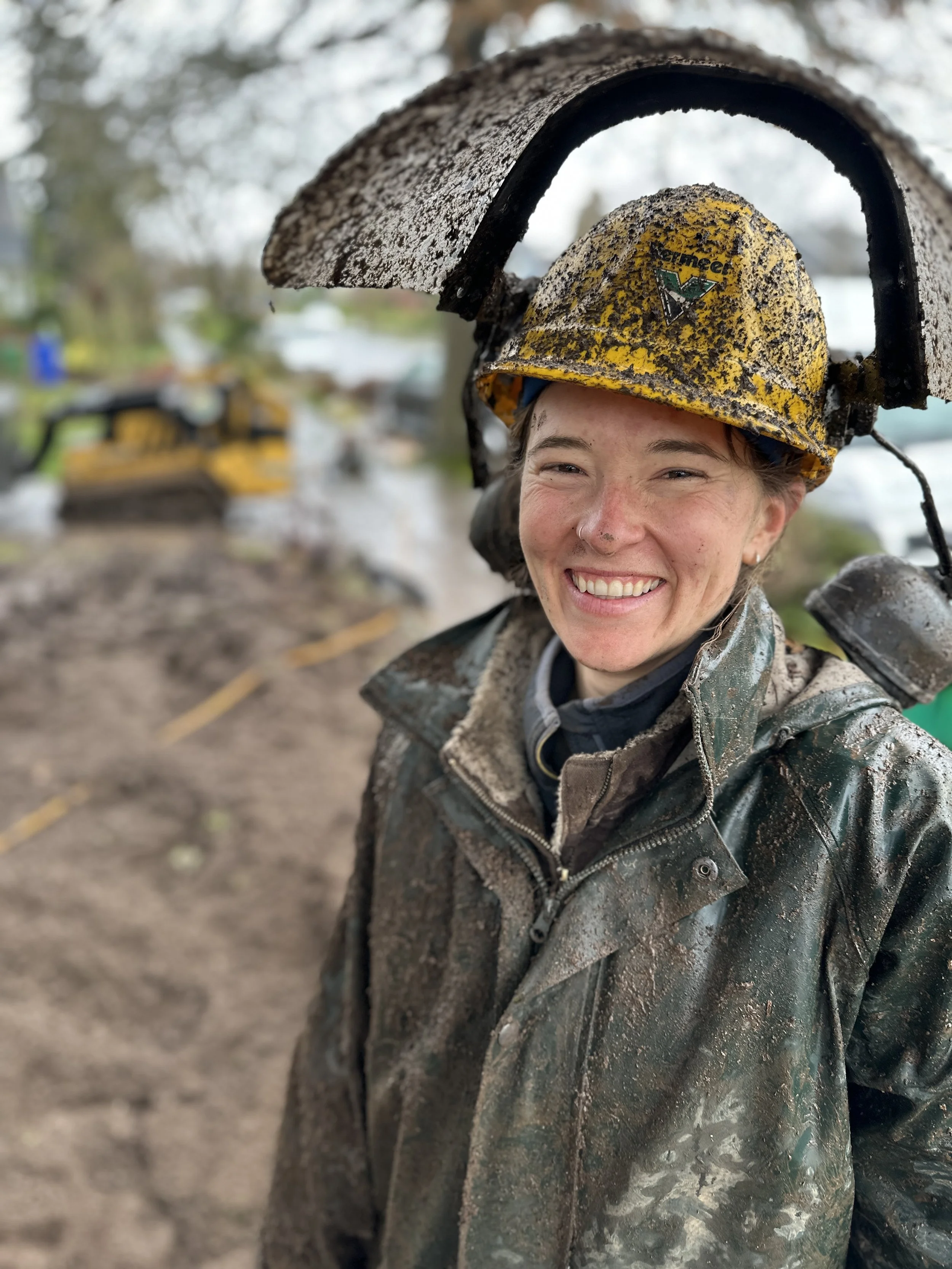
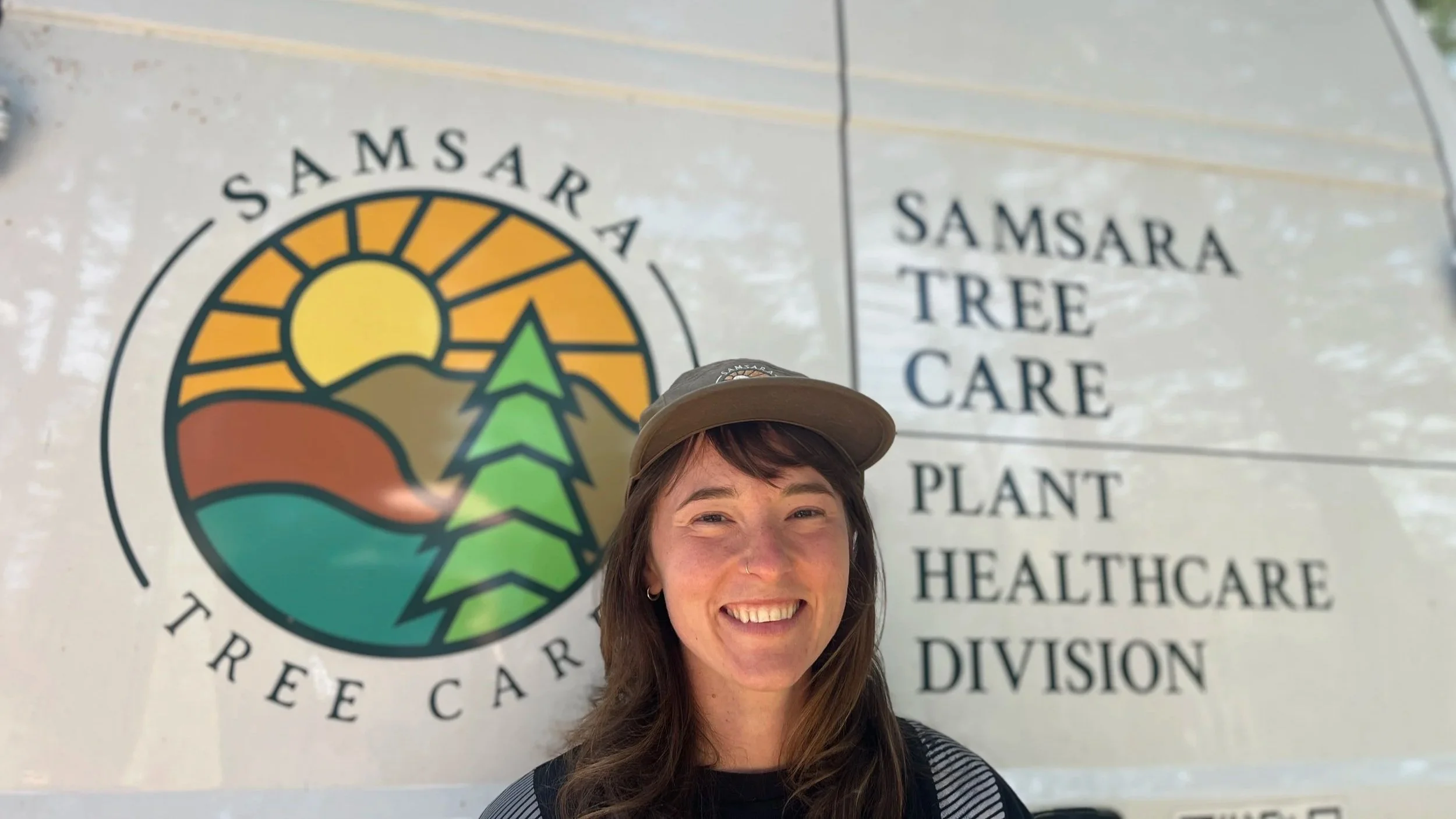
Plant Health Care Specialist and Project Manager
Jackie has worked with the City of Portland to oversee the planting and establishing care of hundreds of trees in our neighborhoods.
If you ever see her out with our crew, you know some plants are getting lots of love from the famous “plant doctor.”
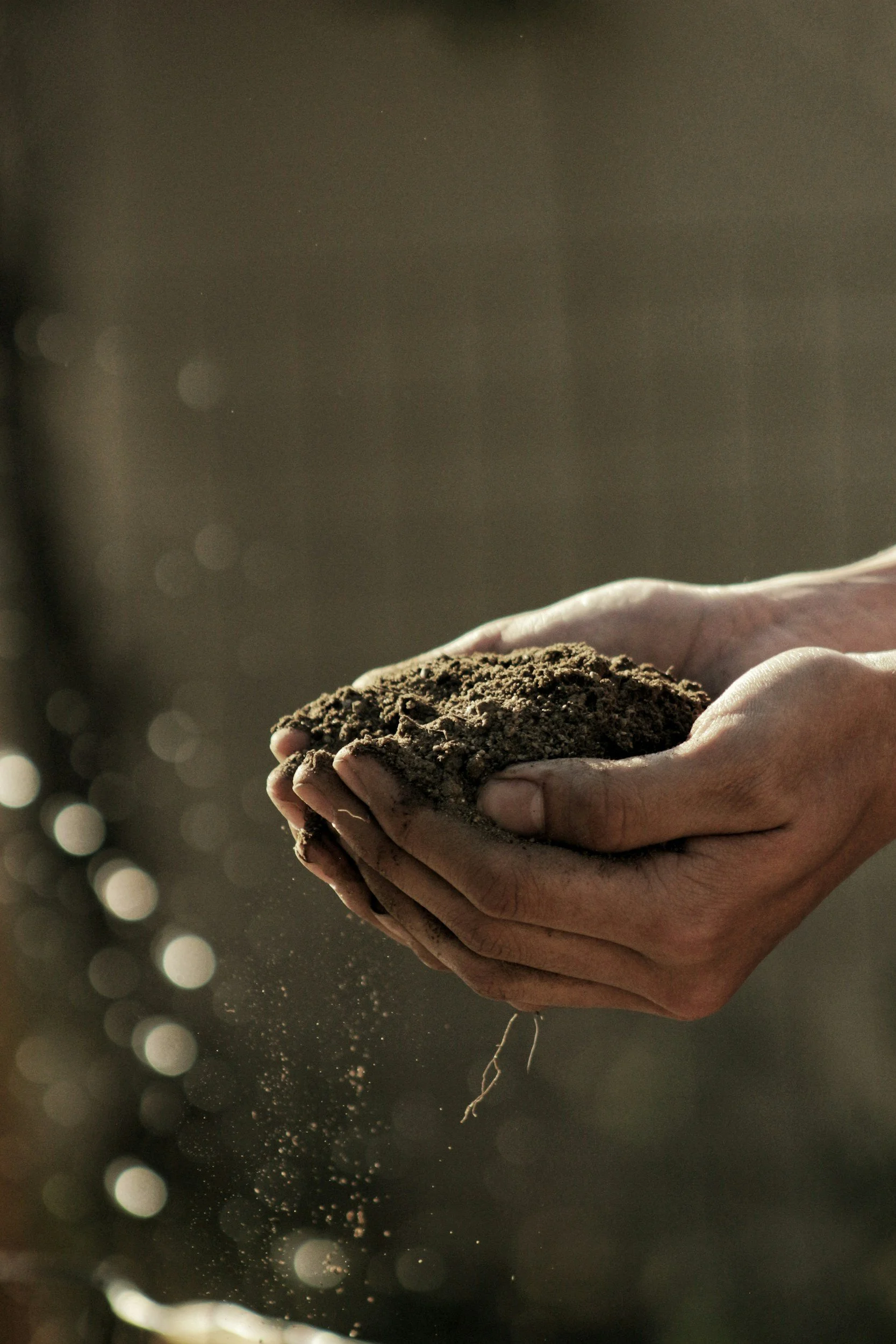
“My philosophy is that healthy trees begin with healthy soil. Soil is the foundation of a tree’s ability to access water, nutrients, oxygen, and the biological support it needs to grow, recover from stress, and defend itself against pests and disease. By helping people understand their soil, we can move beyond simply treating visible symptoms and begin identifying the underlying conditions affecting tree health. Thoughtful soil assessment, accurate diagnosis, and proactive plant health care allow us to make informed decisions that promote stronger, more resilient trees and vibrant landscapes. Ultimately, my goal is to help preserve the health, beauty, and longevity of our trees while protecting and strengthening the urban canopy for future generations.”
Our Programs
Bringing science-based consistent care and a stress-free experience to your property.
Essential Care
Helping keep your plants healthy during the critical seasons
Enhanced Care
Full-spectrum care for every stage in a plant’s life 
Executive Care
Sophisticated care for your investment property 
Get more out of Plant Health Care

Our enrolled members get all the perks
Discounts on other applicable services and add-ons.
Hands-free care. Stay informed with professional reports and updates as our team takes action.
Preventative measures that keep your property safe and beautiful. Save money by preventing a disaster.
Our Membership Programs
Bringing science-based consistent care and a stress-free experience to your property.
Tier 1
Essential Care
Helping you keep your plants healthy during the critical seasons.Best for: Smaller properties, established landscapes, and clients seeking basic preventative care.
A foundational program for generally healthy landscapes that need routine professional oversight.
Visual health inspection of trees and shrubs
Monitoring for common insects, diseases, and environmental stress
Soil sample for lab testing and soil-condition evaluation
Identification of priority concerns
Written care recommendations including soil sample results and fertilization plan, as well as maintenance recommendations (irrigation, mulching, etc)
Follow-up inspection of trees and shrubs
Monitoring for late-season insects and diseases
Evaluation of summer drought, heat, or storm stress
Fall fertilization based on soil sample results
Recommendations for winter preparation and next-season care
A foundational program for generally healthy landscapes that need routine professional oversight.
Yearly membership cost based on property size and needs: $750-$1,450
Tier 2
Enhanced Care
Full-spectrum care for every stage in your plants' life (highly recommended)Best for: Properties with valuable ornamental plants, recurring pest concerns, or landscapes that benefit from consistent seasonal attention.
A more proactive program that provides seasonal monitoring and earlier detection of plant health problems.
Early Spring
Comprehensive tree and shrub inspection
Soil testing and soil-condition evaluation
Monitoring for overwintering insects and early disease symptoms (hang insect traps)
Seasonal care plan and soil sample results
Late Spring/Early Summer
Spring fertilization based on soil sample results
Monitoring for active insects and diseases
Evaluation of new growth, foliage color, and plant vigor
Inspection for nutrient deficiencies and environmental stress
Updated treatment or care recommendations
Mid-to-Late Summer
Monitoring for summer insect activity
Evaluation of heat, drought, and irrigation-related stress
Inspection for leaf damage, canopy thinning, or decline
Recommendations for corrective care
Fall
End-of-season health assessment
Fall fertilization when recommended
Monitoring for late-season pests and disease
Winter preparation recommendations
Summary of findings and priorities for the following year
Yearly membership cost based on property size, fertilization needs, and other factors, including tissue sampling: $1,300 - $3,000.
Tier 3
Executive Care
Sophisticated care for your investment property
Best for: HOAs, Commercial properties, or large estates wanting to protect their investment and maintain property value.
Spring Visits (3)
Inspect all trees and shrubs
Collect yearly soil sample
Establish a baseline for canopy, branching, bark and root-collar condition
Look for winter injury, storm damage and structural concerns
Inspect for overwintering insects, egg masses and disease indicators
Evaluate drainage, compaction and soil conditions
Review irrigation and mulch practices
Identify plants needing preventive fungicide treatment
Identify candidates for Cambistat, air-spade work, fertilization or injections
Photograph important plants or developing concerns
Develop/update the year's PHC treatment plan
Review soil-test results with the property
Perform spring fertilization based on soil sample
Monitor for aphids, scale, adelgids, caterpillars and other early-season insects
Monitor for fungal diseases as foliage emerges
Look for abnormal leaf size, color or growth
Continue preventative fungicide programs when required
Check soil moisture and irrigation
Identify trees ready for systemic treatment
Inspect new growth and foliage density
Monitor for active insect populations
Inspect for boring insects, sucking insects and chewing damage
Look for fungal leaf spots, anthracnose, rusts and other diseases
Evaluate how plants responded to spring fertilization
Inspect previously identified problem trees
Photograph changes from the early-spring inspection
Identify trees needing additional diagnostics or tissue sampling
This is also a prime window for Mectinite trunk injection when the target tree is fully leafed out and the treatment timing matches the target pest.
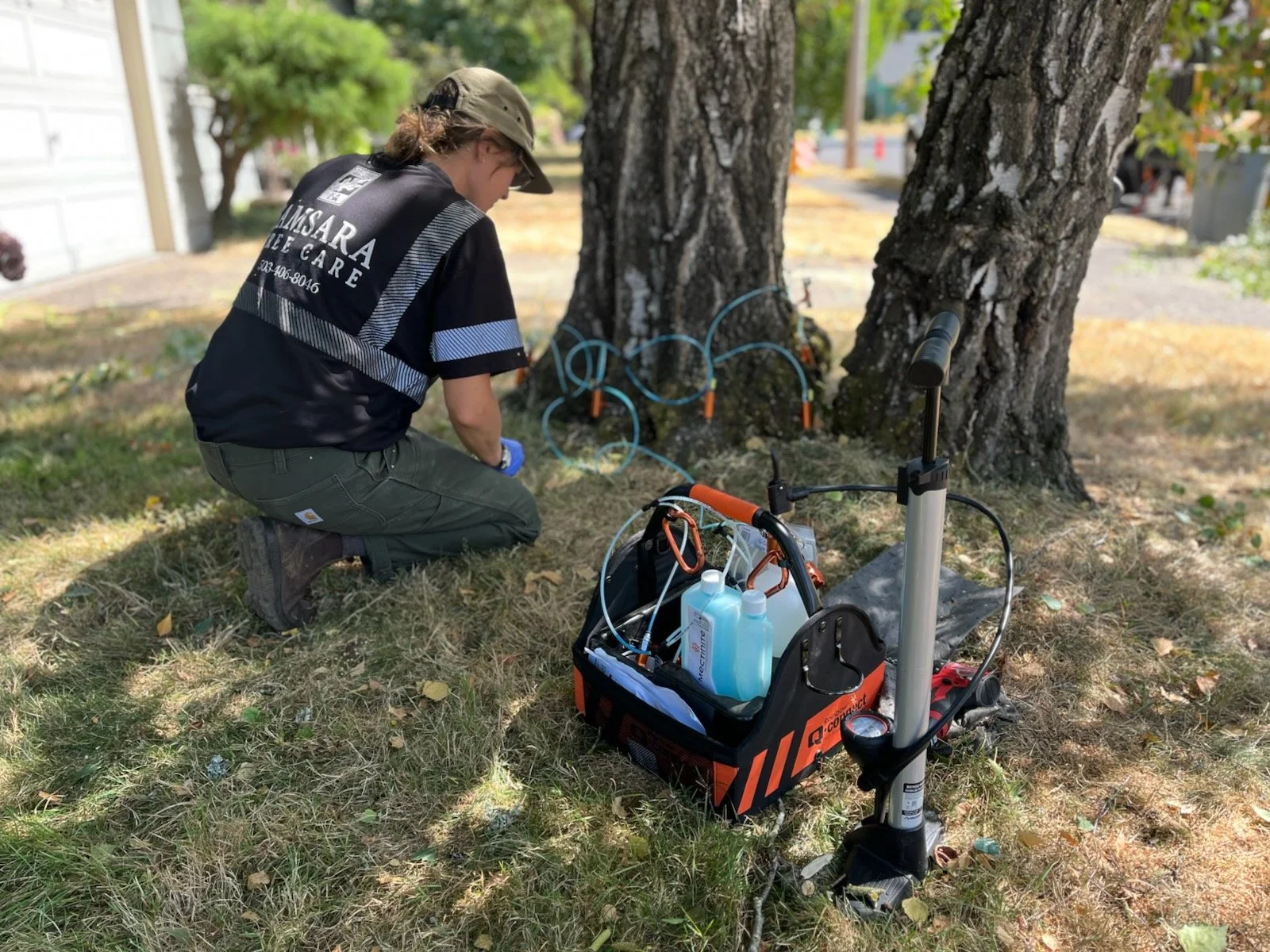
Jackie doing a Mectinite Injection.Summer Stress & Pest Monitoring
July–August
This is primarily a monitoring visit
Inspect for drought and heat stress
Check soil moisture
Evaluate irrigation effectiveness
Look for leaf scorch, premature leaf drop and canopy thinning
Monitor spider mites and other warm-weather pests
Look for boring insect activity
Inspect for secondary pests attacking stressed trees
Monitor disease progression
Evaluate fertilizer response and annual shoot growth
Check trees previously treated with Mectinite or other products
Recommend watering adjustments when necessary
This visit is valuable because many underlying problems become much easier to diagnose during summer stress.
Fall Visits (2)
September–October
Now the focus shifts from foliage and insects toward soil, roots and recovery from summer stress.
Evaluate how trees and shrubs handled summer
Check for drought-related dieback
Monitor late-season insects and disease
Evaluate root zones and soil conditions
Inspect mulch depth and root collars
Identify girdling roots or buried root flares
Evaluate whether plants would benefit from fall nutrition
Perform fall fertilization when indicated
Identify candidates for air-spade work
Perform Cambistat treatments where appropriate
Begin planning corrective work for the dormant season
Visit 6 — Late Fall Evaluation/ Winter Preparation
The final visit should accomplish two things: prepare the landscape for winter and demonstrate the value of the entire year's program.
Perform a final tree and shrub health inspection
Review leaf-drop and canopy condition
Inspect root collars and structural concerns that become more visible after leaf drop
Evaluate soil moisture and drainage going into winter
Perform air-spade/root-collar work if needed
Inspect for overwintering pests and disease
Document plants that need attention next year
Compare photographs and observations from earlier visits
Create the annual PHC summary
Establish preliminary priorities for next year's program
Yearly membership cost: $4,000
Includes a 10% discount on all PHC and arborist add-ons for your property.
PHC ADD-ONS
-
Root zone care focuses on improving the soil and growing conditions around a tree’s roots. This may include mulching, reducing compaction, improving organic matter, adjusting irrigation, protecting roots from damage, or using targeted soil treatments when appropriate. -
Correctly diagnosing is crucial to giving a tree the best chance of surviving health issues. Early assessment can determine if the tree has enough remaining vigor, and the condition is treatable. If decline is caused by severe root damage, advanced decay, poor site conditions, drought stress, or irreversible structural problems, injections or fungicides may not solve the underlying issue.
-
Preventive or seasonal treatments may be appropriate for certain recurring pests or high-value trees, but prevention should be based on known pest pressure and tree vulnerability. Good soil care, proper pruning, watering, and monitoring can also improve resilience.
-
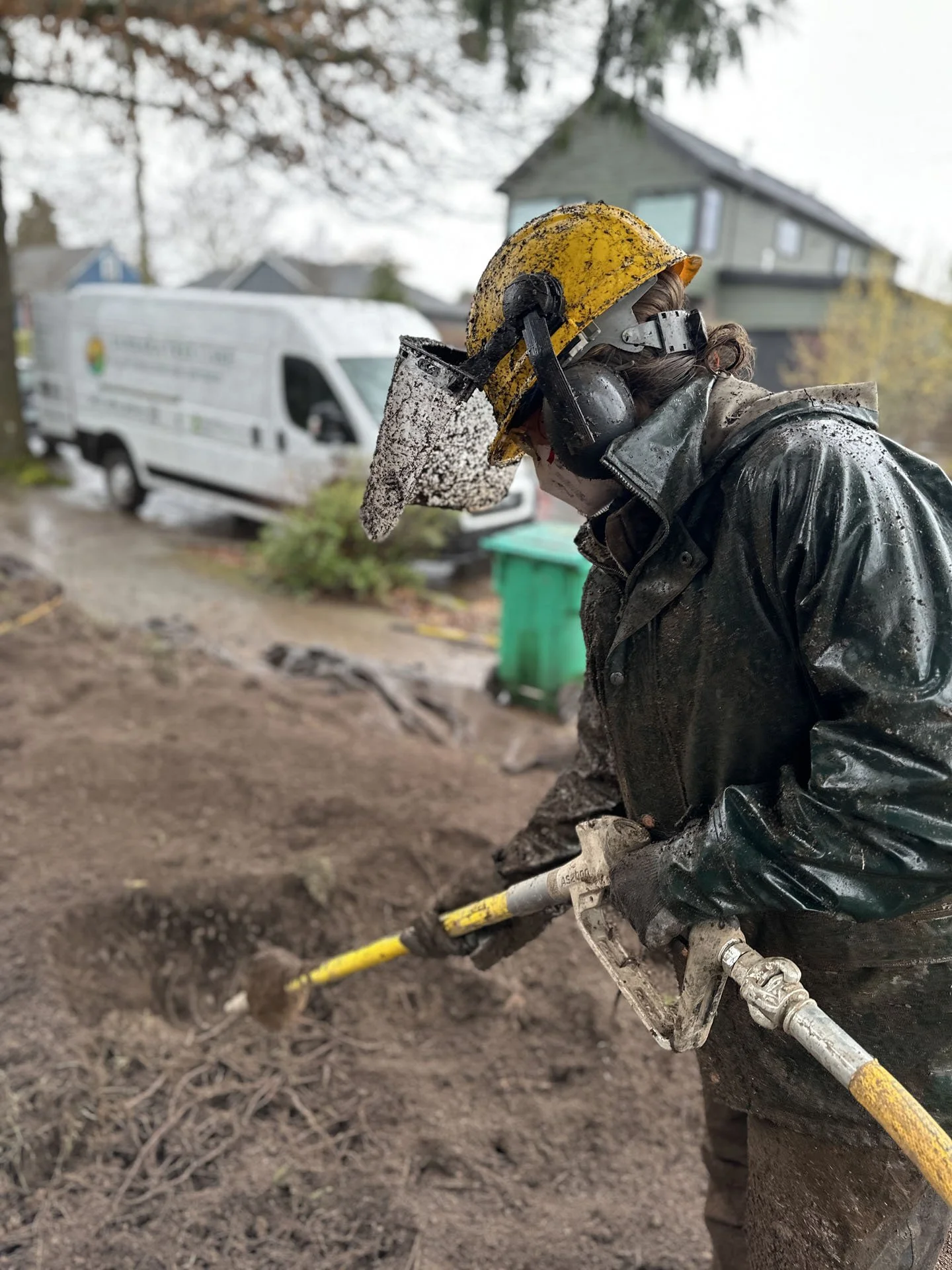
When performed properly, air spading is generally safer for roots than mechanical digging because compressed air loosens soil without cutting through roots the way shovels or excavation equipment can. This work is performed by trained professionals who understand root structure and tree biology.
-
If a tree is stressed by drought, turf competition, poor soil conditions, root damage, or heat, proper mulching may help improve the root environment. However, mulch alone will not correct advanced decay, severe root loss, major structural defects, or serious pest and disease issues.
-
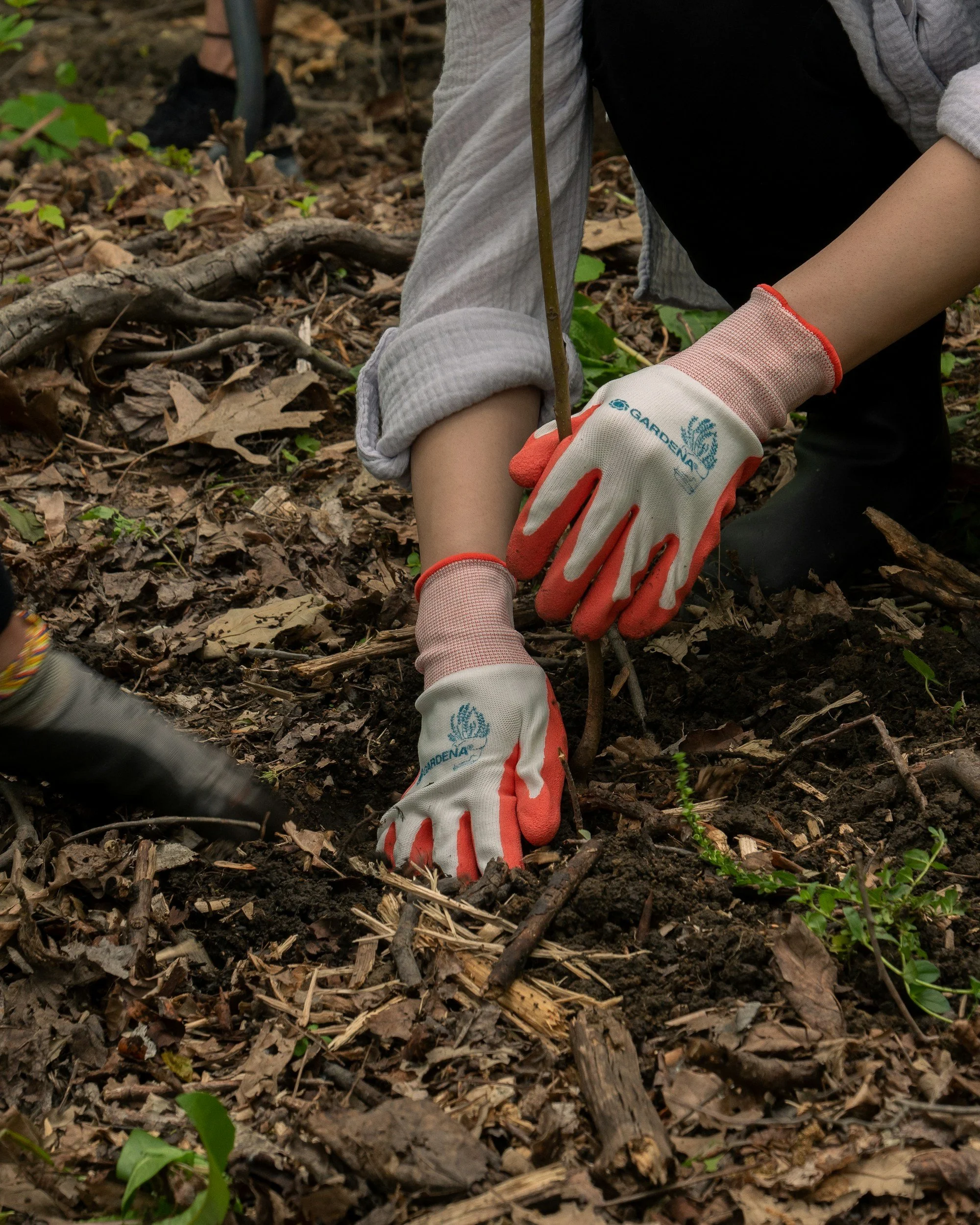
Successful tree planting starts long before the tree goes in the ground. Species selection, mature size, soil conditions, drainage, sun exposure, root space, nearby structures, utilities, sidewalks, and long-term maintenance all affect whether a new tree will thrive. Samsara Tree Care helps property owners choose and establish trees with the future of the site in mind, not just the first season after planting. -
A tree inventory creates a clear record of the trees on a property, helping owners, HOAs, estates, commercial sites, and property managers understand what they have, what condition trees are in, and what work should be prioritized. Samsara Tree Care provides arborist-led tree inventories that may include species identification, size, location, condition observations, maintenance needs, risk concerns, and recommended next steps.
FAQs
1
Soil testing helps identify below-ground conditions that may be limiting tree health, root growth, nutrient availability, or long-term vigor. When trees show thinning canopies, poor growth, leaf discoloration, drought stress, or repeated decline without an obvious cause, soil conditions may be part of the problem. Testing can help clarify whether pH, nutrient levels, organic matter, compaction, drainage, or other site factors should be addressed.
2
Insect and pest management starts with understanding what is actually happening to the tree. Chewed leaves, thinning canopy, sticky residue, boring dust, scale, aphids, mites, beetles, or branch dieback can all point to different issues, and not every insect requires intervention. Some pest activity is cosmetic or temporary, while other infestations can weaken trees, spread disease, or accelerate decline.
3
Successful tree planting starts long before the tree goes in the ground. Species selection, mature size, soil conditions, drainage, sun exposure, root space, nearby structures, utilities, sidewalks, and long-term maintenance all affect whether a new tree will thrive. Samsara Tree Care helps property owners choose and establish trees with the future of the site in mind, not just the first season after planting.
4
Fertilization and soil care are part of a broader plant health care approach focused on improving the conditions trees need to grow, recover, and remain resilient. Rather than applying fertilizer automatically, Samsara Tree Care evaluates tree species, symptoms, site conditions, soil limitations, root zone stress, and overall tree vigor before recommending treatment.
5
Tree health starts below ground, and many signs of decline are connected to root zone stress. Air spading uses compressed air to safely loosen soil and expose roots with less damage than traditional digging, allowing arborists to evaluate buried root collars, compacted soil, girdling roots, construction impacts, poor planting depth, drainage issues, and other below-ground concerns.